
"Climate change"
6000 article(s) found

Comparison of planting environment of small-leaf tea in China and big-leaf tea in Assam, India
Although the growth of tea from bitter waxy leaves on shrubs to tea in pots seems to be absurd, tea makers actually followed the basic steps invented by Chinese farmers in the 18th century. Tea is part of the genus Camellia. There are three main varieties used to produce tea: Chinese lobular tea (sinensis), Assam tea (assamica) and Cambodian tea (cambodi)
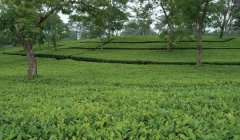
Which area of Assam black tea tastes good? Does long-term drinking Assam black tea have side effects?
It is clear that disruptions in rainfall and temperature patterns are affecting the tea industry, and the impact is sure to expand. The drought in Africa has reached a crisis level. In northern Kenya, more than 1 million people face hunger. In India, heavy rainfall has eroded hillsides and destroyed plants. The low-lying areas of Chinese farms are covered with dust

Delicious aroma Dominican coffee flavor Features Taste and manor
The earliest coffee in Dominica was introduced from Martinique (French overseas department), dating back to the early 18th century. Dominica is an island country with a tropical climate. The temperature changes little throughout the year. Except for the middle Cordillera mountain area, where the temperature is lower than 0℃ in winter, the average annual temperature in other areas is between 25 and 30℃, which is affected by the terrain of the mountains.

Introduction to the boutique coffee beans in the manor area
The earliest coffee in Dominica was introduced from Martinique (the overseas province of France), dating back to the early 18th century. Dominica is an island country with a tropical climate. The temperature changes little throughout the year. Except for the lower temperature in the Central Cordillera Mountains, which can reach less than 0 ℃ in winter, the annual average temperature in other areas is between 25 and 30 ℃, which is affected by the mountain topography.

Fragrance pleasant Dominican coffee variety characteristics taste Manor boutique coffee bean flavor
The earliest coffee in Dominica was introduced from Martinique (the overseas province of France), dating back to the early 18th century. Dominica is an island country with a tropical climate. The temperature changes little throughout the year. Except for the lower temperature in the Central Cordillera Mountains, which can reach less than 0 ℃ in winter, the annual average temperature in other areas is between 25 and 30 ℃, which is affected by the mountain topography.

Coffee growing Coffee Leaf Rust Coffee Industry challenges Coffee Culture
Professional Coffee knowledge Exchange more information on coffee beans Please follow the Coffee Workshop (official Wechat account cafe_style) Coffee farmer Mario Kortho (Mario Mendoza Corleto) patrolled the coffee plantation on the hillside in late summer 2012 in Santa Ana, the second largest city in El Salvador, Central America. Suddenly, he noticed an anomaly: among them

Dominican Coffee Flavor Dominica Coffee characteristics Dominican coffee taste
The earliest coffee in Dominica was introduced from Martinique (the overseas province of France), dating back to the early 18th century. Dominica is an island country with a tropical climate. The temperature changes little throughout the year. Except for the lower temperature in the Central Cordillera Mountains, which can reach less than 0 ℃ in winter, the annual average temperature in other areas is between 25 and 30 ℃, which is affected by the mountain topography.

Introduction to the flavor of boutique coffee beans in manor
The earliest coffee in Dominica was introduced from Martinique (the overseas province of France), dating back to the early 18th century. Dominica is an island country with a tropical climate. The temperature changes little throughout the year. Except for the lower temperature in the Central Cordillera Mountains, which can reach less than 0 ℃ in winter, the annual average temperature in other areas is between 25 and 30 ℃, which is affected by the mountain topography.

A brief introduction to the cultivation of Nicaraguan boutique coffee beans with mellow flavor, geographical location, climate and altitude
Drink coffee while it is hot, because the tannins in Nicaraguan coffee are easy to change during cooling, and the taste becomes sour, which will affect the flavor of the coffee. You can add the right amount of sugar, and then add cream. Enjoying a cup of high-quality Nicaraguan coffee can not only experience the taste of coffee at different levels, but also help to improve the ability to appreciate coffee.

A rich, aromatic Dominican coffee with flavor, character, taste and estate.
The earliest coffee in Dominica was introduced from Martinique (French overseas department), dating back to the early 18th century. Dominica is an island country with a tropical climate. The temperature changes little throughout the year. Except for the middle Cordillera mountain area, where the temperature is lower than 0℃ in winter, the average annual temperature in other areas is between 25 and 30℃, which is affected by the terrain of the mountains.

Santo Domingo Coffee Brewing Area Fine Coffee Bean Taste Introduction
The earliest coffee in Dominica was introduced from Martinique (French overseas department), dating back to the early 18th century. Dominica is an island country with a tropical climate. The temperature changes little throughout the year. Except for the middle Cordillera mountain area, where the temperature is lower than 0℃ in winter, the average annual temperature in other areas is between 25 and 30℃, which is affected by the terrain of the mountains.

Dominica coffee with excellent acidity and pleasant aroma. Introduction to fine coffee beans.
The earliest coffee in Dominica was introduced from Martinique (the overseas province of France), dating back to the early 18th century. Dominica is an island country with a tropical climate. The temperature changes little throughout the year. Except for the lower temperature in the Central Cordillera Mountains, which can reach less than 0 ℃ in winter, the annual average temperature in other areas is between 25 and 30 ℃, which is affected by the mountain topography.

In a world that consumes 1.5 billion cups of coffee a day, half of the arable land for coffee production will disappear by 2050.
Half the coffee belt will disappear? The most popular beverage crop in the world can not grow everywhere. On the contrary, the growing area of coffee trees is very limited. Climate is the decisive factor in coffee cultivation, and coffee trees are only suitable for growing in the tropics or subtropics. The zone between latitude 25 degrees north and south is the most suitable for growing coffee. And this coffee production zone is generally called coffee belt or coffee.

It gives a faint fruity, lingering, smooth Dominican coffee finish.
The earliest coffee in Dominica was introduced from Martinique (French overseas department), dating back to the early 18th century. Dominica is an island country with a tropical climate. The temperature changes little throughout the year. Except for the middle Cordillera mountain area, where the temperature is lower than 0℃ in winter, the average annual temperature in other areas is between 25 and 30℃, which is affected by the terrain of the mountains.

Fresh and elegant, full-grained Dominica coffee Santo Domingo coffee
The earliest coffee in Dominica was introduced from Martinique (the overseas province of France), dating back to the early 18th century. Dominica is an island country with a tropical climate. The temperature changes little throughout the year. Except for the lower temperature in the Central Cordillera Mountains, which can reach less than 0 ℃ in winter, the annual average temperature in other areas is between 25 and 30 ℃, which is affected by the mountain topography.

The origin of Colombian coffee beans
Latitude, altitude, soil, plant origin of species and varieties of coffee in Colombian coffee growing areas, rain patterns produced by the climate of coffee growing areas and tropical convergence, changing topography, luminosity, favorable temperature range throughout the year, moderate and Rain Water distribution, and some common in the process of selective logging and transformation.

Dominica Coffee Flavor taste the manor area introduces Santo Domingo coffee
The earliest coffee in Dominica was introduced from Martinique (the overseas province of France), dating back to the early 18th century. Dominica is an island country with a tropical climate. The temperature changes little throughout the year. Except for the lower temperature in the Central Cordillera Mountains, which can reach less than 0 ℃ in winter, the annual average temperature in other areas is between 25 and 30 ℃, which is affected by the mountain topography.

Introduction to the flavor grindability of Dominica coffee with pure flavor
The earliest coffee in Dominica was introduced from Martinique (the overseas province of France), dating back to the early 18th century. Dominica is an island country with a tropical climate. The temperature changes little throughout the year. Except for the lower temperature in the Central Cordillera Mountains, which can reach less than 0 ℃ in winter, the annual average temperature in other areas is between 25 and 30 ℃, which is affected by the mountain topography.

Columbia Linglong Coffee Bean Flavor description introduction to the Regional treatment method of Grinding scale production
Columbia Linglong Coffee Bean Flavor description, Grinding scale production area treatment method introduces that the specific range of elevation can exceed 2.000 meters. A special combination of factors, latitude, altitude, soil, plant origin of species and varieties of coffee in Colombia's coffee growing areas, rain patterns produced by the climate and tropical convergence of the coffee growing areas.